

Google Ads vs Facebook Ads: Which Is Right for You?
Google Ads vs. Facebook Ads: Which Is Right for You? depends on various factors such as your business goals, target audience, budget, and the nature of your products or services. Here are some key considerations for each platform:
Google Ads:
1. Intent-based targeting:
- Google Ads primarily targets users based on their search intent. This means your ads are shown to users actively searching for products or services related to your business.
- Google Ads is effective for capturing users at the bottom of the sales funnel who are ready to make a purchase.
2. Keyword targeting:
- You can target specific keywords related to your business, allowing for a high degree of relevance between the user’s search query and your ad.
3. Ad formats:
- Google Ads offers various ad formats, including text ads, display ads, shopping ads, and video ads.
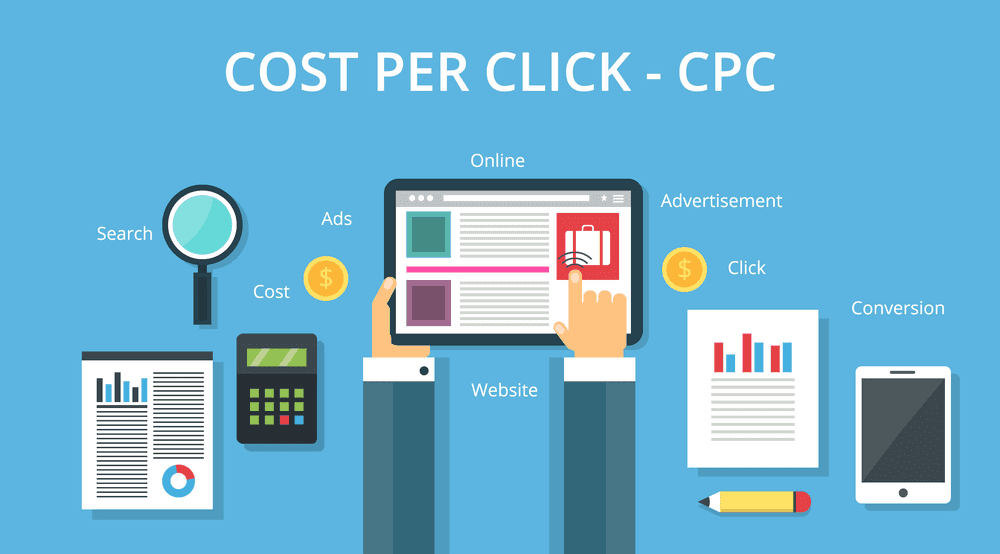
4. Cost-per-click (CPC) model:
- Google Ads operates on a pay-per-click model, where you pay when someone clicks on your ad. This can be cost-effective if your ads are well-targeted.
5. Geographic targeting:
- You can target specific geographic locations, making it suitable for local businesses.
Facebook Ads:
1. Audience targeting:
- Facebook Ads allow for highly granular audience targeting based on demographics, interests, behaviors, and connections.
- Effective for brand awareness and reaching users higher up the sales funnel.
2. Visual content:
- Facebook is a visually-oriented platform, making it ideal for businesses with visually appealing products or services.
3. Ad formats:
- Facebook offers various ad formats, including image ads, video ads, carousel ads, and more.
4. Cost model:

- Facebook Ads operate on a cost-per-impression (CPM) or cost-per-click (CPC) model. The choice depends on your campaign goals.
5. Retargeting:
- Facebook is effective for retargeting campaigns, reaching users who have previously interacted with your website or app.
Considerations for Decision-Making:
1. Audience:
- If your target audience is actively searching for products or services, Google Ads may be more effective. If you want to build brand awareness or target a specific demographic, Facebook Ads could be the better choice.
2. Budget:
- Consider your budget and the cost structure of each platform. Google Ads might be more cost-effective for direct response, while Facebook Ads can be beneficial for brand building.
3. Product/Service Nature:
- The nature of your products or services may influence your choice. Visual products may perform well on Facebook, while service-oriented businesses might find success on Google Ads.
4. Marketing Goals:
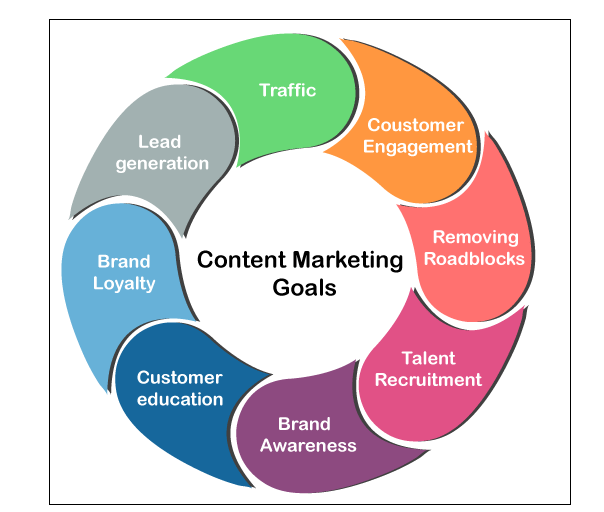
- Define your marketing goals. If you’re looking for immediate conversions, Google Ads might be a priority. If you’re focusing on building a brand presence, Facebook Ads could be more suitable.
5. Testing:
- Consider running small-scale campaigns on both platforms to test performance and gather data before allocating a significant budget.
- The nature of your products or services and the type of content you have (text, images, videos) can influence your choice between the platforms.
Ultimately, the best strategy may involve using a combination of both platforms to leverage their respective strengths and reach a broader audience across different stages of the customer journey. Regular monitoring and optimization are crucial regardless of the platform you choose.