

Local SEO Secrets: Dominate Your Local Market
Optimizing your online presence for local search is crucial for businesses targeting a specific geographic area. Here are some local SEO secrets to help you dominate your local market:
Google My Business Optimization:
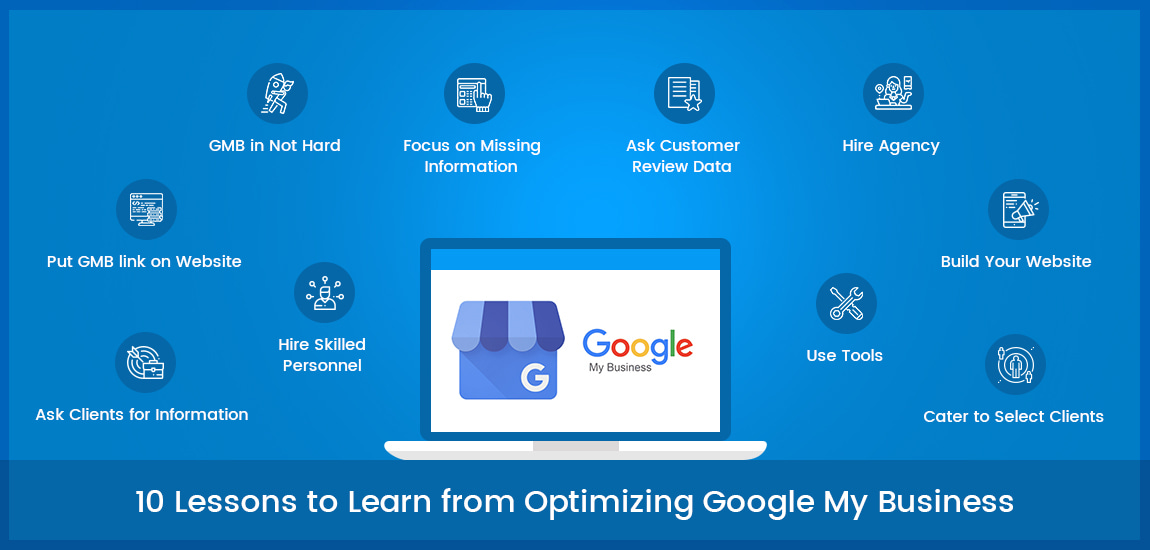
Claim and verify your Google My Business (GMB) listing.
Ensure that your business name, address, and phone number (NAP) are accurate and consistent across all online platforms.
Add high-quality photos of your business and encourage customers to leave reviews.
Local Keyword Research:
Identify relevant local keywords by using tools like Google Keyword Planner or other keyword research tools.
Include location-specific keywords in your website content, meta tags, and GMB profile.
On-Page SEO:
Optimize title tags, meta descriptions, and header tags with local keywords.
Include your business name, address, and phone number on your website.
Create location-specific content that provides value to your local audience.
Mobile Optimization:
Ensure your website is mobile-friendly, as many local searches happen on mobile devices.
Optimize page load speed for a better user experience.
Local Link Building:
Build local citations by getting your business listed on local directories, industry-specific websites, and local chambers of commerce.
Develop relationships with other local businesses for potential link-building opportunities.
Online Reviews:

Encourage satisfied customers to leave positive reviews on your GMB profile and other relevant review sites.
Respond to all reviews, both positive and negative, to show engagement and a commitment to customer satisfaction.
Social Media Engagement:
Be active on social media platforms that are popular in your local area.
Share local events, and promotions, and engage with your audience to build a local community around your brand.
Local Schema Markup:
Implement local schema markup on your website to provide search engines with additional information about your business, such as operating hours, reviews, and location.
Create Local Content:
Develop content that is relevant to your local audience, such as blog posts about local events, news, or community involvement.
Use locally focused keywords within yourcontent.
Monitor and Analyze:
Regularly monitor your local SEO performance using tools like Google Analytics and GMB insights.
Adjust your strategy based on the data and insights you gather.
Remember that local search engine optimization is an ongoing process, and staying consistent with your efforts will help you maintain and improve your local search rankings over time. Additionally, keep an eye on any updates to search engine algorithms and adapt your strategy accordingly.