


Outsmart Your Competitors: A Guide to Competitive Analysis
Competitive analysis is a critical component of strategic planning for businesses seeking to outsmart their competitors. By understanding the strengths and weaknesses of competitors, you can identify opportunities and threats, refine your own strategies, and gain a competitive edge. Here’s a guide to help you conduct an effective competitive analysis:
1. Identify Your Competitors:
Direct Competitors: Those offering similar products or services to the same target market.
Indirect Competitors: Those addressing the same customer need but with different products or services.
2. Gather Information:
Products/Services: What are their main offerings? How do they differ from yours?
Market Share: Understand their position in the market relative to yours.
Pricing Strategy: How do their prices compare to yours? Are they positioned as premium or budget?
Distribution Channels: Where and how do they sell their products?
3. SWOT Analysis:
Strengths: What do they do well? What advantages do they have?
Weaknesses: Where do they fall short? What are their vulnerabilities?
Opportunities: What external factors could they leverage?
Threats: What external factors could pose risks to them?
4. Customer Feedback and Reviews:
Analyze customer reviews and feedback to understand the strengths and weaknesses of competitors from the customer’s perspective.
5. Marketing and Branding:
Examine their marketing strategies, branding, and positioning.
Look at their online presence, social media engagement, and content strategies.
6. Technology and Innovation:
Assess their use of technology. Are they leveraging the latest trends or innovations?
Look at their patents and R&D investments.
7. Financial Analysis:

Study their financial statements, revenue growth, and profitability.
Evaluate their financial stability and debt levels.
8. Team and Leadership:
Research key executives and their backgrounds.
Understand the culture and values promoted by their leadership.
9. Benchmarking:
Compare your performance metrics with theirs to identify gaps.
Benchmark against industry standards to see how you fare.
10. Emerging Trends:
Stay updated on industry trends and disruptions that might impact your competition.
11. Scenario Planning:
Anticipate potential moves your competitors might make and plan accordingly.
12. Regular Monitoring:
Competitive analysis is an ongoing process. Regularly update your findings to stay relevant.
13. Collaboration and Partnerships:
Explore opportunities for collaboration or strategic partnerships that could strengthen your position.
14. Customer Loyalty Programs:
Assess their customer retention strategies and loyalty programs.
15. Legal and Regulatory Environment:
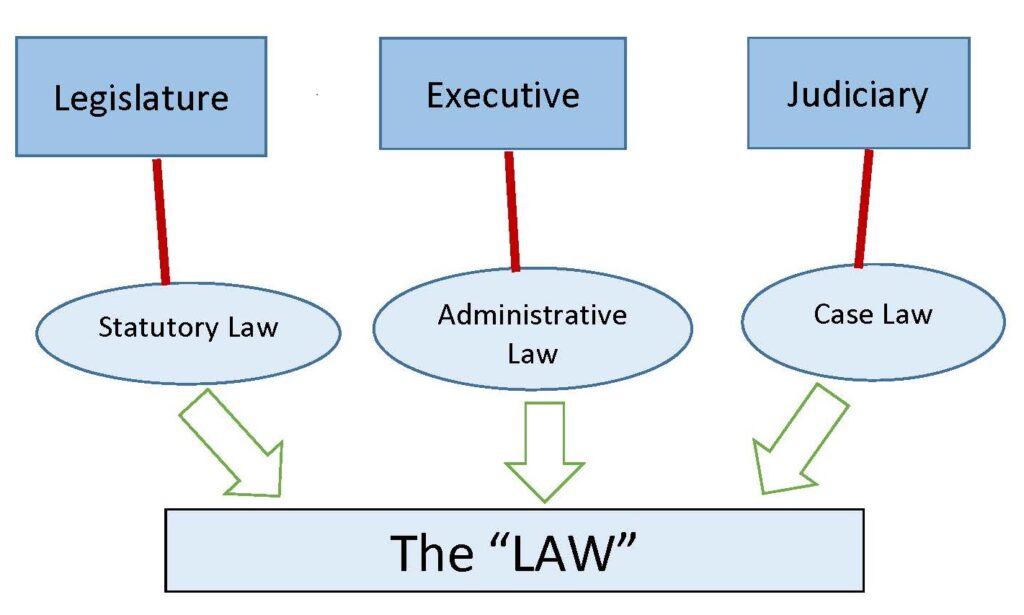
Be aware of any legal or regulatory challenges they might be facing.
16. Crisis Management:
Analyze how they handle crises and negative publicity.
17. Global Considerations:
If applicable, consider global competitors and their strategies.
18. Adapt and Execute:
Use the insights gained to adapt your strategies and make informed decisions.
Competitive analysis is not a one-time task but an ongoing process. By staying vigilant and proactive, you can continually refine your strategies to outsmart your competitors in the dynamic business landscape.