


Top SEO Trends to Skyrocket Your Website’s Visibility
Search engine optimization (SEO) is an ever-evolving field, and staying updated with the latest trends is crucial to improving your website’s visibility in search engine results. Here are some top SEO trends to help you skyrocket your website’s visibility:
Core Web Vitals and Page Experience:
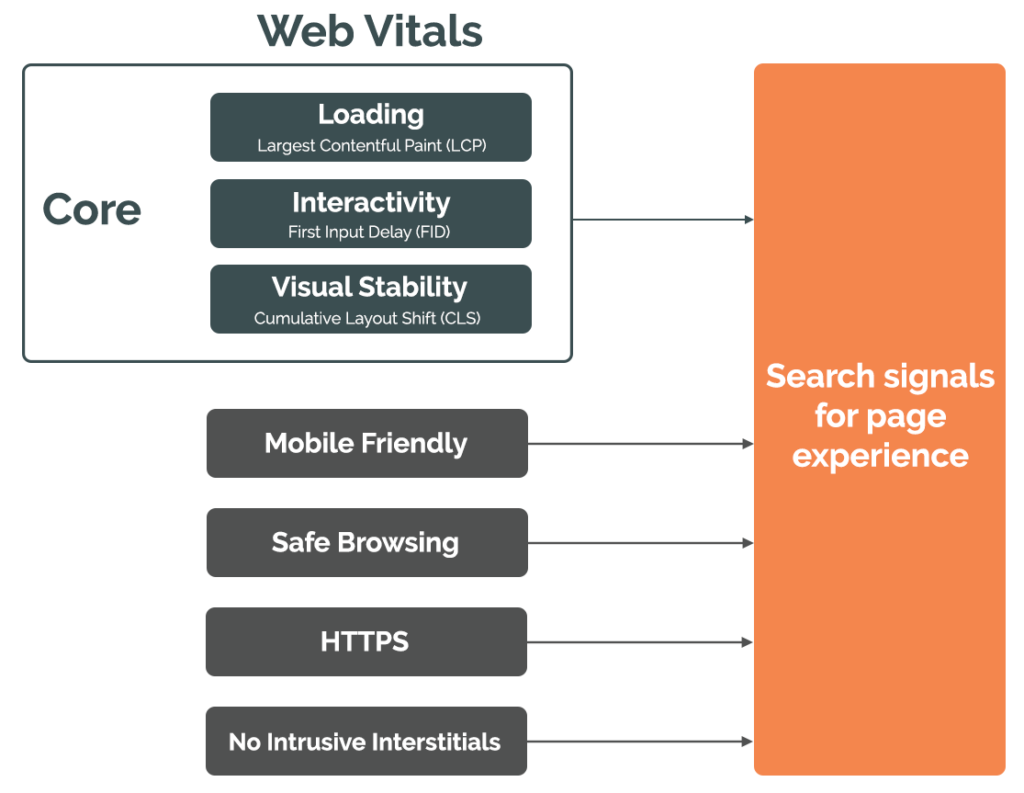
Google now considers Core Web Vitals such as page loading speed, interactivity, and visual stability as ranking factors. Focus on improving your website’s user experience to meet these criteria.
Mobile-First Indexing:
Ensure your website is mobile-friendly and responsive. Google predominantly uses the mobile version of a site for indexing and ranking.
High-Quality Content:
Quality content remains king. Create informative, engaging, and authoritative content that answers users’ queries comprehensively.
User Intent Optimization:
Instead of just targeting keywords, focus on understanding and fulfilling user intent. Craft content that matches what users are looking for.
Video SEO:
Video content is becoming increasingly popular. Optimize your videos with relevant keywords, engaging thumbnails, and proper schema markup.
Voice Search Optimization:
With the rise of smart speakers and virtual assistants, optimize your content for voice search by using conversational language and providing concise answers to commonly asked questions.
Featured Snippets:
Aim to secure featured snippet positions by providing concise, structured answers to frequently asked questions in your niche.
E-A-T (Expertise, Authoritativeness, Trustworthiness):
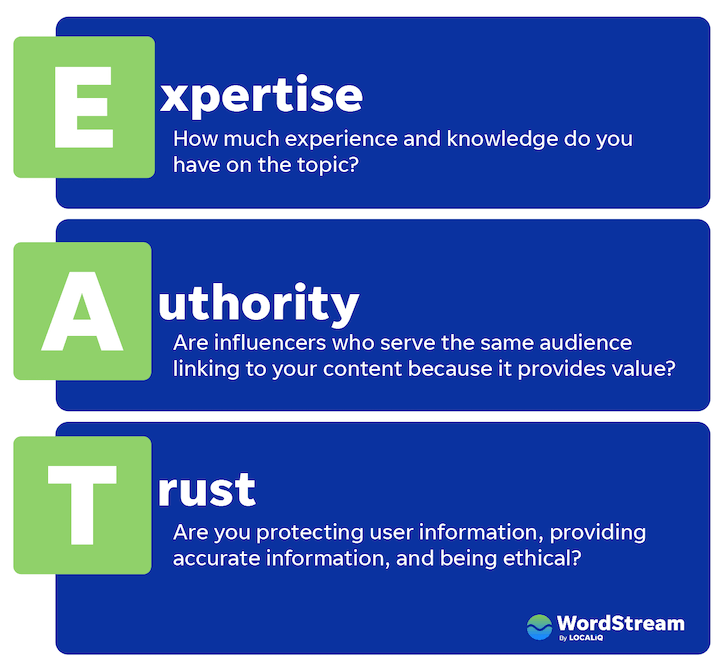
Create and maintain content that demonstrates your expertise, authoritativeness, and trustworthiness in your field.
Schema Markup:
Use schema markup to provide search engines with structured data about your content, making it more likely to appear in rich snippets and knowledge panels.
Technical SEO:
Ensure your website is technically sound by improving site speed, optimizing images, fixing broken links, and resolving crawl errors.
Local SEO:
Optimize for local search by claiming and updating your Google My Business profile, getting online reviews, and ensuring NAP (Name, Address, Phone) consistency.
SSL/HTTPS:
Secure your website with an SSL certificate as Google considers it a ranking factor. It also builds trust with users.
User Experience (UX):

Make your website user-friendly with easy navigation, clean design, and clear calls to action. Google takes UX into account for rankings.
Content Clusters:
Organize your content into clusters around a central topic or pillar page, linking related pieces to each other to improve your website’s authority and relevance.
Mobile Apps:
If applicable, consider creating a mobile app to enhance user engagement and potentially increase visibility in app stores.
Content Freshness:
Regularly update and refresh your content to keep it relevant and competitive in search results.
Long-Form Content:
In some cases, long-form content can perform better, especially for topics that require in-depth coverage.
AI and Machine Learning:
Stay abreast of AI-driven tools and technologies that can help you optimize your SEO efforts, like content optimization tools and chatbots.
Social Signals:
While not a direct ranking factor, social media activity can indirectly impact your SEO by driving traffic and engagement.
Local Voice Search:
Optimize for local voice searches by targeting location-specific keywords and phrases.
Keep in mind that SEO trends may continue to evolve, and what works best for your website depends on your niche, target audience, and competition. Regularly monitor your website’s performance, adjust your strategies accordingly, and stay updated with the latest SEO developments to maintain and improve your website’s visibility.